
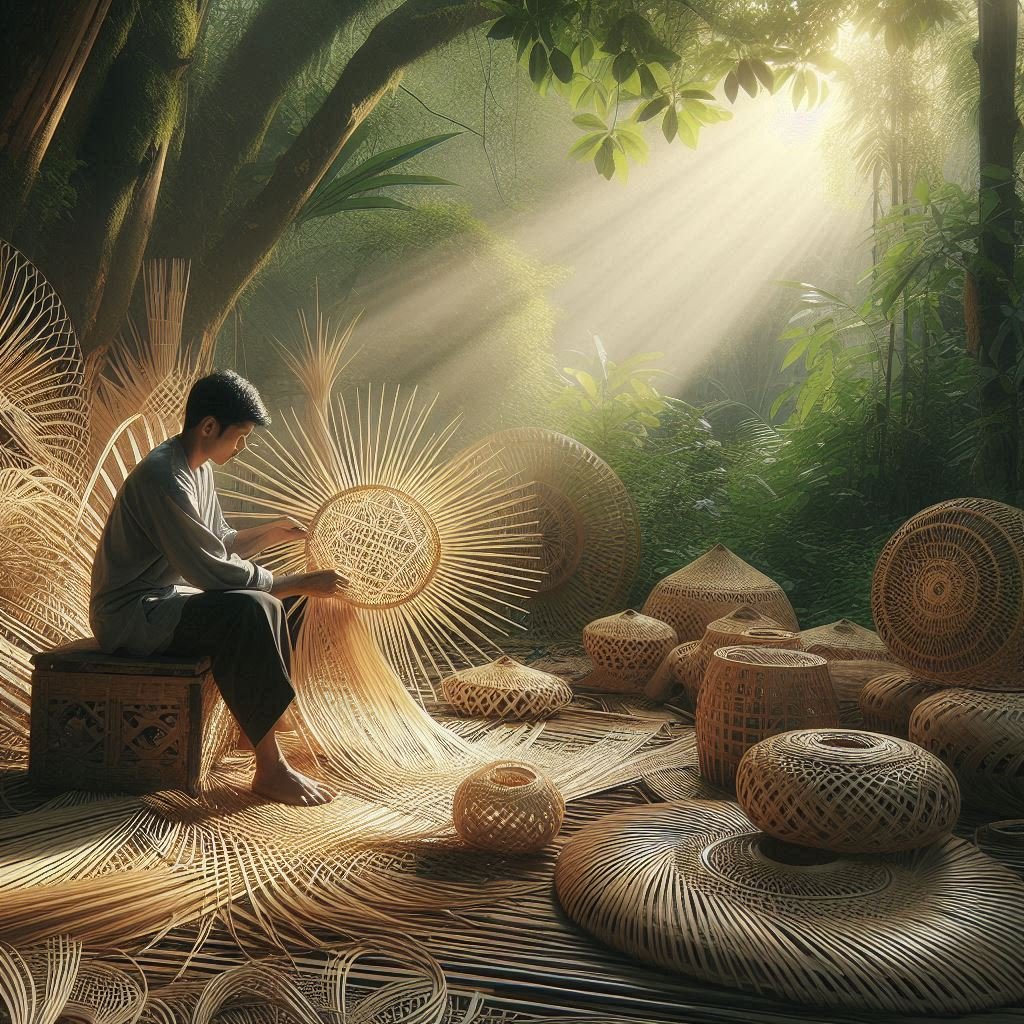
If you’ve ever been frustrated by overpriced synthetic products that don’t align with your eco-brand’s values, you’re not alone. Sourcing directly through woven bamboo procurement is becoming the go-to strategy for businesses that want sustainable, handcrafted goods—without breaking the bank. Whether you’re managing a retail brand, hotel chain, or eCommerce store, direct procurement lets you tap into ethical craftsmanship and timeless design that your customers will actually appreciate.
✅ Key Takeaways
-
Woven bamboo procurement is cost-efficient, eco-friendly, and customizable.
-
Global demand for bamboo-based goods is rising—especially in home, hospitality, and packaging sectors.
-
Bamboo is renewable, naturally biodegradable, and ideal for eco-conscious branding.
-
Procurement lets you go direct, minimizing markup and maximizing creative control.
-
Avoid pitfalls by working with experienced platforms like Bamboodee.
📦 What Is Woven Bamboo Procurement?
🧵 Breaking Down the Concept
Procurement means the process of sourcing, negotiating, and purchasing products from suppliers. In this case, it’s all about woven bamboo goods—handcrafted items made from natural bamboo fibers.
🌱 Why It Matters for Sustainable Businesses
If you want to avoid plastic and mass-produced items, bamboo procurement offers:
-
A cleaner production cycle
-
A handcrafted aesthetic
-
A smaller environmental footprint
📈 The Growing Demand for Woven Bamboo Products
🧍♂️ Eco-Conscious Consumers Are Driving Change
72% of Gen Z and Millennials prefer eco-friendly products. These buyers aren’t just looking for style—they want substance.
🏨 B2B Trends: Retailers, Hotels, and Restaurants Want It Too
Hotels now use bamboo trays and bins. Cafés are switching to bamboo serving ware. Retailers feature woven baskets in store displays. Why? Because it sells.

✅ Benefits of Woven Bamboo Procurement
♻️ Sustainability That Sells
Bamboo products are:
-
Biodegradable
-
Made from fast-growing grass
-
Naturally pest-resistant
Plus, it’s a great way to reduce reliance on plastic.
💰 Cost Efficiency Over Time
While initial costs may seem higher than mass-produced goods, procurement gives you bulk pricing, customization, and long-term savings.
✨ Artisanal Touch That Elevates Your Brand
Want to stand out? Handwoven bamboo speaks volumes. It gives your product line a warm, human touch.
📦 Most Popular Woven Bamboo Items to Procure
🧺 Household Items and Organizers
-
Storage bins
-
Laundry baskets
-
Wall-hanging organizers
🍽️ Tableware and Serving Accessories
-
Bamboo trays
-
Napkin holders
-
Coasters
🖼️ Decorative Pieces for Retail or Hospitality
-
Wall art
-
Planters
-
Lamp shades
🌏 Why Businesses Are Shifting to Bamboo
🛑 The Environmental Impact of Traditional Materials
Plastic takes 500+ years to break down. Even wood, though natural, involves deforestation and high emissions.
🎋 How Bamboo Offers a Greener Alternative
Bamboo regenerates in 3–5 years, requires no pesticides, and absorbs 30% more CO₂ than trees. Learn more about it on Wikipedia.
📊 Global Bamboo Market at a Glance
📉 Recent Growth Trends
The global bamboo market is valued at $72.1 billion (2024) and growing steadily across multiple sectors.
📋 Table: Market Data by Sector
| Sector | 2024 Market Value | CAGR (2025–2030) |
|---|---|---|
| Home Goods | $14.6B | 6.2% |
| Packaging | $8.2B | 7.1% |
| Hospitality Products | $6.7B | 5.5% |
| Outdoor Furniture | $9.5B | 6.9% |
🚀 Future Forecast and Business Opportunity
If you’re thinking long-term, now’s the time to ride the wave. Bamboo procurement offers both environmental and economic ROI.
📌 How to Start the Woven Bamboo Procurement Process
📋 Define Product Requirements Clearly
Know exactly what you need:
-
Size
-
Style
-
Material finish
-
Packaging
🤝 Choose Direct or Through an Agent
Going factory direct saves money. But working with an agent helps with:

-
Language
-
Logistics
-
Quality control
🧪 Plan for Prototypes and Samples
Always ask for samples. It’s the best way to avoid surprises later on.
🏭 Factory Direct vs. Third-Party Procurement
💵 Cost Comparisons
| Method | Avg. Cost | Flexibility | MOQ |
|---|---|---|---|
| Factory Direct | Lower | High | 100–200 pcs |
| Third-Party | Higher | Medium | Varies |
🧰 Flexibility and Customization
Factories often allow:
-
Personalized labels
-
Unique weave patterns
-
Branding options
🔎 What to Look for in a Bamboo Supplier
✅ Quality Standards and Certifications
Look for:
-
FSC Certification
-
ISO 9001 or equivalent
-
Experience with export markets
🤝 Ethical Sourcing and Fair Trade
Supporting factories that pay fair wages and use eco-friendly materials matters—to your business and your customers.
🌍 Sourcing Woven Bamboo from Southeast Asia
📍 Why Southeast Asia Dominates the Industry
Countries like Indonesia, Vietnam, and the Philippines have:
-
Rich bamboo resources
-
Skilled weavers
-
Established logistics
🎎 Cultural Heritage and Weaving Techniques
These aren’t just products—they’re a blend of culture, tradition, and artistry.
🌿 Bamboo as a Renewable Material
🌱 What Makes Bamboo a Green Choice
-
Regrows rapidly
-
Needs no replanting
-
Minimal water use
🔁 Lifecycle Benefits Over Plastic or Wood
Bamboo:
-
Leaves no microplastics behind
-
Outlasts many softwoods in humid environments
⚠️ Common Challenges in Woven Bamboo Procurement
🚚 Shipping Delays and Supply Chain Issues
Global logistics are still rocky post-COVID. Always pad timelines.
🔍 Quality Inconsistencies
Handwoven products can vary slightly. That’s the charm—but consistency still matters.
🗣️ Miscommunication with Suppliers
Use diagrams, photos, and written specs to minimize errors.
🛡️ How to Avoid Procurement Pitfalls
🔍 Vetting Suppliers Properly
Check:
-
Reviews
-
Certifications
-
Sample quality
📝 Using Contracts and Clear Specs
Lock down:
-
Materials used
-
Delivery terms
-
Penalties for delays
💸 Pricing Breakdown: What Affects the Cost?
📦 Materials, Labor, and Quantity
Bulk saves money. Custom orders cost more but build brand identity.
🌍 Transportation and Taxes
Shipping costs vary based on:
-
Weight
-
Container type
-
Import duties
📢 Leveraging Bamboo Procurement for Brand Storytelling
💬 Using Transparency to Build Trust
Share your sourcing journey. Consumers appreciate:
-
Ethical origins
-
Craft stories
-
Behind-the-scenes looks
✨ How to Market the “Handwoven” Appeal
Use phrases like:
-
“Each piece is uniquely handcrafted”
-
“Woven with tradition and care”
🎯 Conclusion: Smart Woven Bamboo Procurement Starts Here
You don’t need to sacrifice quality or sustainability to build your brand. With smart woven bamboo procurement, you gain access to ethical, beautifully crafted goods that resonate with today’s values-driven consumers. Want to get started the right way? Visit Bamboodee for trusted factory-direct solutions.
❓ FAQs
1. What is the best country to procure woven bamboo from?
Indonesia and Vietnam are top choices due to quality, cost, and heritage craftsmanship.
2. How do I ensure the bamboo products are ethically sourced?
Look for certifications, fair labor policies, and transparency in sourcing.
3. What’s the typical lead time for bulk procurement?
Around 30 to 60 days, depending on order size and factory workload.
4. Can I request eco-packaging along with the bamboo products?
Yes, most suppliers offer biodegradable packaging options as part of the package.
5. Is woven bamboo suitable for outdoor use?
Yes, especially when treated for weather resistance—just ask the supplier about finishing options.