
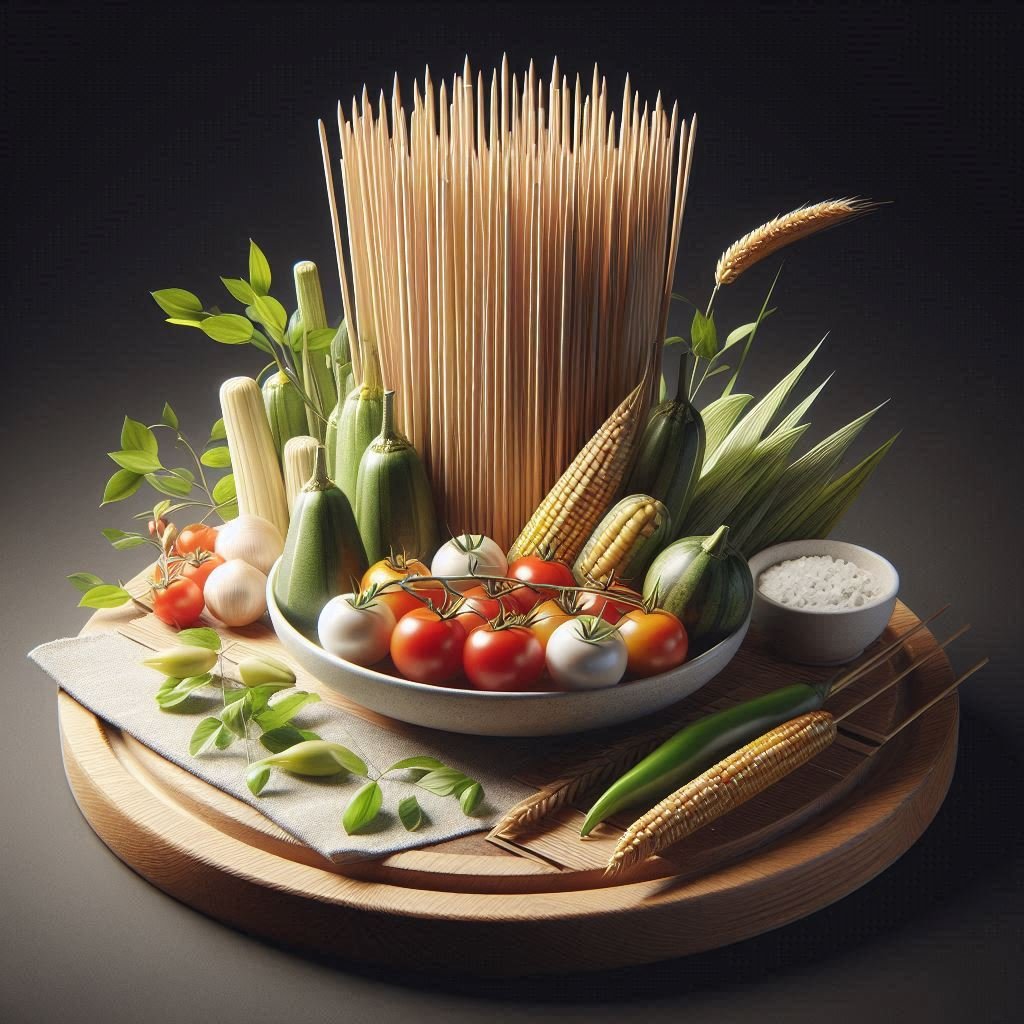
In the world of farm-to-table dining, everything matters — from the soil your food comes from to the skewer it’s served on. If your restaurant is already championing sustainability and transparency, it’s time to take a closer look at the tiny details — like your choice of skewers. That’s where bamboo skewers for farm-to-table restaurants step in as an easy, eco-friendly, and aesthetically pleasing solution.
Imagine this: your guests are biting into heirloom tomato and mozzarella skewers made with love and local produce… only to be served on plastic or industrial-looking metal picks. That little mismatch? It ruins the vibe. Bamboo skewers fix that problem without sacrificing quality or style.
Key Takeaways
-
Bamboo skewers align perfectly with sustainable and ethical dining.
-
They offer an eco-friendly, compostable alternative to plastic or metal.
-
Great for rustic aesthetics, heat resistance, and ease of use.
-
Can be customized for branding, dietary info, or rustic appeal.
-
Ideal for skewered farm-fresh produce, cheeses, and appetizers.
Why Farm-to-Table Needs to Think Beyond Ingredients
The Philosophy of Farm-to-Table
Farm-to-table isn’t just a menu — it’s a mindset. It’s about caring where food comes from and how it reaches the plate. Everything involved in that journey should reflect the same values, from farm produce to serving utensils.
Eco-Consciousness Extends to Presentation Tools
Your customers care about sustainability. They’re reading your sourcing notes and Instagramming your plates. So why stop at the produce? Even a skewer should tell a story — a clean, green one.
The Role of Presentation in the Farm-to-Table Experience
Visual Appeal Meets Sustainability
People eat with their eyes first. Bamboo skewers offer that beautiful, minimalist look that perfectly complements hand-picked greens or grilled garden zucchini. They whisper “earth-friendly” before you even say it.

Skewers That Complement the Natural Aesthetic
Their soft beige hue and natural texture add charm without competing with your plating. Plus, they scream rustic sophistication — like a garden party in Tuscany.
What Makes Bamboo Skewers the Perfect Match
100% Natural and Biodegradable
Unlike plastic or coated skewers, bamboo is biodegradable, compostable, and 100% plant-based. It breaks down easily without harming the environment.
Durable Enough for Heavy Produce and Protein
You’d think they’d snap under pressure, right? Not true. Bamboo skewers are tough. They can hold up to thick cuts of steak, halloumi, or root vegetables without bending.
Aesthetic Simplicity for Rustic Vibes
The raw, polished wood look aligns beautifully with farm-to-table branding. No chemicals, no frills — just nature doing its thing.
Environmental Benefits of Choosing Bamboo
Bamboo vs. Plastic and Metal Skewers
| Material | Biodegradable | Reusable | Eco Impact | Best Use Case |
|---|---|---|---|---|
| Bamboo | ✅ Yes | 🚫 No | 🌱 Low | Sustainable, compostable |
| Plastic | ❌ No | 🚫 No | ❌ High | Single-use, high waste |
| Metal | ❌ No | ✅ Yes | ⚠️ Moderate | Reusable but resource-heavy |
Compostable, Recyclable, and Sustainable
Farm-to-table diners are often part of the zero-waste crowd. Bamboo skewers fit perfectly in compost bins and don’t require special disposal.
Fast Regeneration Rates of Bamboo
Did you know? Bamboo can grow up to 35 inches per day. That’s faster than any other woody plant, making it a super-renewable resource.
Supporting Local Farms with Local Tools
Bamboo Farming and Supply Chains
When possible, source bamboo skewers from regional suppliers. It keeps your supply chain tight and your footprint small.
Reduce Carbon Footprint With Regional Sourcing
By sourcing skewers and produce locally, you’re cutting emissions and supporting sustainable networks — a win-win.
Use Cases of Bamboo Skewers in Farm-to-Table Menus
Grilled Veggie Skewers with Seasonal Produce
Think squash, peppers, onions — roasted over a wood fire and served on a bamboo skewer. Pure magic.
Farm-Fresh Fruit Kabobs
Watermelon, blueberries, cantaloupe — bright, fresh, and healthy. These skewers are ideal for brunch boards or garden parties.

Artisan Cheese and Herb Picks
Perfect for pairing cheeses with thyme sprigs or fig slices. They hold everything in place while still looking elegant.
Skewers for Appetizers and Tastings
Single-bite hors d’oeuvres shine when served on natural bamboo sticks.
Customization for Branding
Burned-In Logos or Labels
Want to leave a mark? Some suppliers offer custom branding right onto the skewer — a rustic, low-waste way to promote your brand.
Color-Coded Skewers for Dietary Info
Mark vegan, gluten-free, or allergen-free items with colored tips or etched symbols.
Practical Considerations in Busy Kitchens
Heat Resistance and Performance
Bamboo holds up well under heat — just soak them beforehand to prevent burning. They’re great for grilling and won’t warp like plastic.
Pre-Soaked vs. Dry: What’s Better?
Pre-soaked skewers are ideal for cooking, while dry ones are better for cold or ambient-temperature foods.
Health and Food Safety Standards
BPA-Free, Chemical-Free Alternatives
No synthetic materials here. Bamboo is naturally antimicrobial and free of harmful coatings.
Approved by Food Safety Agencies
Most bamboo skewers meet food safety standards for restaurants. Always check with your supplier for certifications.
Bamboo Skewers and the Zero-Waste Movement
No Trash, No Guilt
Since they’re compostable, they don’t end up in a landfill. Use, compost, repeat.
Part of Closed-Loop Dining Models
Some restaurants are now building compost programs where used skewers go back into the soil. That’s full-circle sustainability.
How to Source High-Quality Bamboo Skewers
What to Look for in a Supplier
-
Certifications like FSC (Forest Stewardship Council)
-
No chemical coatings
-
Smooth finishes
-
Uniform sizing
Certifications That Matter
-
FDA-approved
-
FSC-certified bamboo
-
ISO food safety standards
Cost Comparison: Bamboo vs. Other Options
Short-Term vs. Long-Term Value
While bamboo might cost slightly more than plastic, the environmental ROI is undeniable.
Cost per Unit Breakdown
-
Bamboo skewer: $0.03–$0.05
-
Plastic skewer: $0.01–$0.03
-
Metal skewer: $0.10–$0.50 (reusable)
Testimonials from Farm-to-Table Chefs
“Switching to bamboo skewers just made sense. They fit our brand, and customers love them.”
– Chef Maria, The Green Table, Vermont
“They’re sturdy, compostable, and honestly? They just look better.”
– Chef Luke, Harvest & Hearth, California
Final Thoughts on Going All-In with Bamboo
Aligning Tools with Mission
Every little detail matters when it comes to farm-to-table dining. Using sustainable tools like bamboo skewers sends a clear message: we care.
Conclusion
If you’re running a farm-to-table kitchen, every element should reflect your values — even the smallest one. Choosing bamboo skewers for farm-to-table restaurants is an easy, low-cost, and high-impact way to extend your mission of sustainability from farm to plate. It’s time to go beyond just what you serve — and think about how you serve it.
FAQs
1. Can bamboo skewers handle hot food and grilling?
Yes! Just soak them for 20–30 minutes before grilling to prevent burning.
2. Are bamboo skewers safe for composting?
Absolutely. They are 100% compostable and break down naturally.
3. Can I get customized bamboo skewers with my restaurant’s logo?
Yes, many suppliers offer laser-engraved or burned-in logos on skewers.
4. How do bamboo skewers support zero-waste kitchens?
They’re biodegradable, compostable, and don’t contribute to landfill waste.
5. Where can I find quality bamboo skewers?
Visit Bamboodee for high-quality, eco-friendly skewers tailored to sustainable dining.