
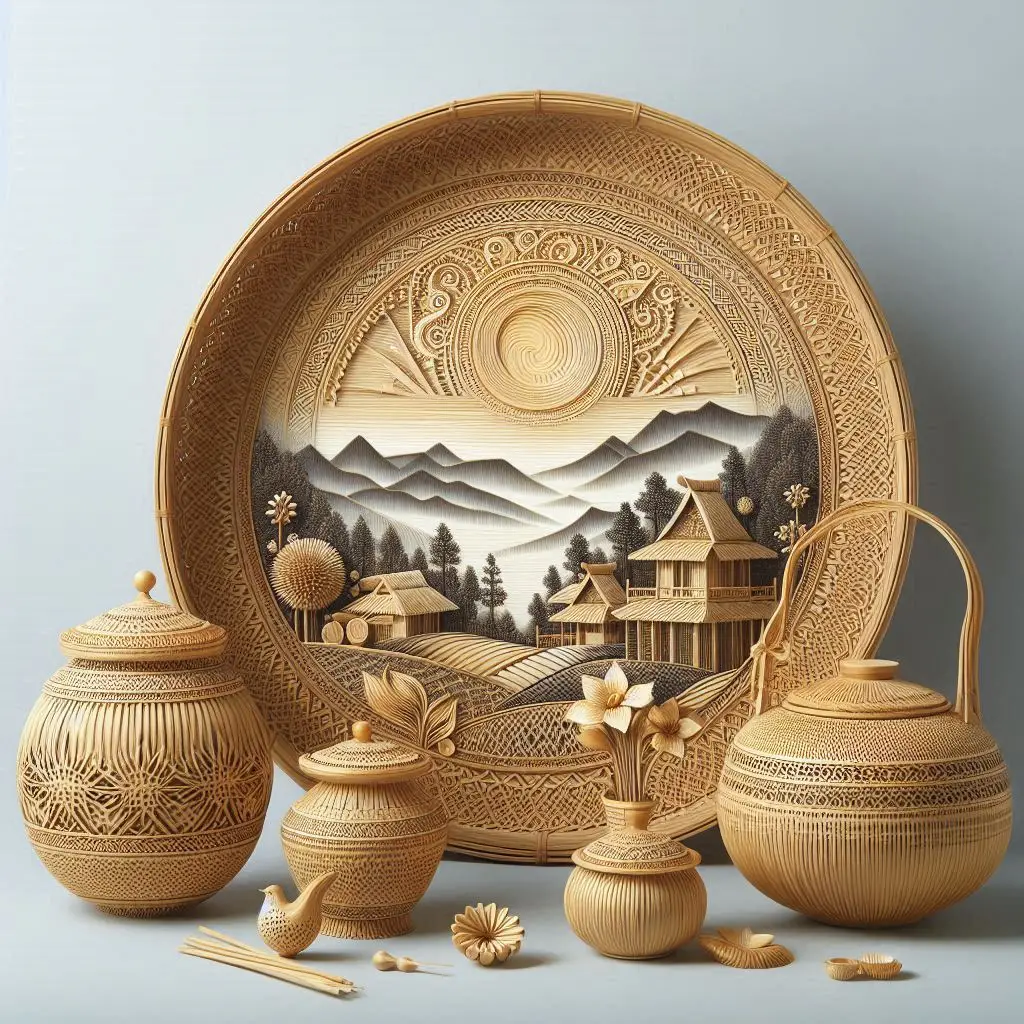
Finding the right woven bamboo handicrafts exporter can feel overwhelming, especially if you’re sourcing for wholesale, retail, or international trade. The market is full of options, but not every exporter can deliver quality, sustainability, and fair pricing at scale. If you’ve ever struggled with unreliable suppliers or inconsistent quality, this guide is here to help you navigate the world of bamboo handicraft exports with clarity.
Key Takeaways
-
Bamboo handicrafts are rising in demand due to eco-conscious consumer behavior.
-
The global bamboo handicrafts market is expected to grow by 7–8% annually until 2030.
-
Exporters face challenges like quality control, compliance, and logistics.
-
Buyers should look for certification, supplier experience, and transparent trade practices.
-
Partnering with a trusted exporter like Bamboodee ensures reliability and sustainable sourcing.
Why Woven Bamboo Handicrafts Matter Today
Plastic pollution is choking our oceans, and consumers are pushing brands to adopt eco-friendly alternatives. Woven bamboo handicrafts offer a sustainable, biodegradable solution. Beyond that, they carry cultural significance, representing centuries-old traditions and craftsmanship.
Today, these products aren’t just “handicrafts” — they’re lifestyle items that blend functionality with environmental responsibility.
Understanding the Woven Bamboo Handicrafts Industry
So, what exactly falls under woven bamboo handicrafts? These include baskets, trays, mats, lampshades, wall décor, and even furniture. Some designs stick to traditional weaving, while others incorporate modern twists to match global trends.
Popular categories include:

-
Home décor items
-
Kitchen and dining accessories
-
Storage solutions
-
Eco-friendly packaging alternatives
The Global Market for Bamboo Handicrafts
Demand for eco-friendly products is fueling the bamboo handicrafts industry worldwide. According to trade reports, the bamboo handicrafts market is valued at $15+ billion in 2025, with steady growth projected for the next decade.
Key Importing Countries
-
United States & Europe: High demand for eco-conscious décor.
-
Middle East: Growing interest in artisanal and handmade luxury.
-
Asia-Pacific: Cultural affinity and affordability drive the market.
Export Value Statistics
Here’s a quick snapshot of export values:
| Year | Global Export Value (USD Billion) | Annual Growth Rate |
|---|---|---|
| 2020 | 9.8 | 4.5% |
| 2023 | 13.2 | 6.1% |
| 2025 (est.) | 15.0+ | 7.8% |
| 2030 (proj.) | 22.5+ | 8.0%+ |
Why Businesses Choose Bamboo Handicrafts
Retailers and distributors turn to bamboo handicrafts because:
-
They’re eco-friendly and biodegradable.
-
They come in diverse, customizable designs.
-
They’re lightweight and cost-effective for shipping.
-
They align with the sustainability narrative consumers demand.
Challenges Faced by Bamboo Handicraft Exporters
Of course, exporting isn’t all smooth sailing. Exporters often face:
-
High logistics costs, especially for bulky items.
-
Maintaining quality consistency across large orders.
-
Compliance with international standards like REACH, FDA, or eco-labeling.
Certification and Standards
Buyers should always check if exporters comply with:
-
Fair Trade Certification (ensures artisans are paid fairly).
-
Eco-labels for sustainable materials.
-
Country-specific compliance, like FDA standards for food-contact items.
How to Identify a Reliable Woven Bamboo Handicrafts Exporter
Not all exporters are created equal. A reliable exporter should have:
-
Years of experience in international trade.
-
A wide product range with customization options.
-
Positive reviews from past buyers.
Questions to Ask Before Partnering
-
What’s the minimum order quantity (MOQ)?
-
What are the lead times for production and shipping?
-
Do you offer customization for branding or design?
-
How do you ensure quality control in bulk production?
Success Stories of Bamboo Handicraft Exporters
Many exporters started as small village collectives and grew into global suppliers. Their success not only boosts international trade but also uplifts rural communities, creating jobs and preserving traditional weaving skills.
Future of Bamboo Handicraft Exports
The future looks bright:
-
E-commerce platforms are making direct trade easier.
-
Rising demand for eco-luxury goods is pushing innovation.
-
Exporters are experimenting with modern designs to capture new markets.
Practical Tips for Buyers and Retailers
If you’re a retailer or distributor:
-
Build long-term supplier relations instead of one-time purchases.
-
Negotiate fair trade deals to ensure artisans benefit.
-
Use the story of bamboo in your marketing — consumers love products with cultural roots.
Key Takeaways
-
Woven bamboo handicrafts are eco-friendly, versatile, and in high demand.
-
Choosing the right exporter ensures smooth logistics and consistent quality.
-
Certifications, reviews, and transparency are non-negotiables.
-
The future of the market lies in eco-conscious consumers and digital trade.
Conclusion – Why Partnering with the Right Exporter Matters
The woven bamboo handicrafts industry is more than just trade — it’s a bridge between artisans, culture, and sustainability. Partnering with the right exporter ensures not only smooth business but also a contribution to global eco-consciousness. If you’re looking for a trusted supplier, Bamboodee is a great place to start your sourcing journey.

FAQs
1. What types of woven bamboo handicrafts are most popular for export?
Baskets, trays, mats, and decorative items are among the most demanded globally.
2. How do I verify if a bamboo exporter is trustworthy?
Check for certifications, trade references, and past client reviews before signing agreements.
3. What are the average shipping costs for bamboo handicrafts?
It depends on destination and order size, but shipping typically ranges between 10–20% of order value.
4. Can woven bamboo handicrafts be customized for branding?
Yes, many exporters offer personalized designs, colors, and logo branding.
5. Are bamboo handicrafts suitable for bulk wholesale trade?
Absolutely, they’re lightweight, scalable, and cost-effective for wholesale distribution.