
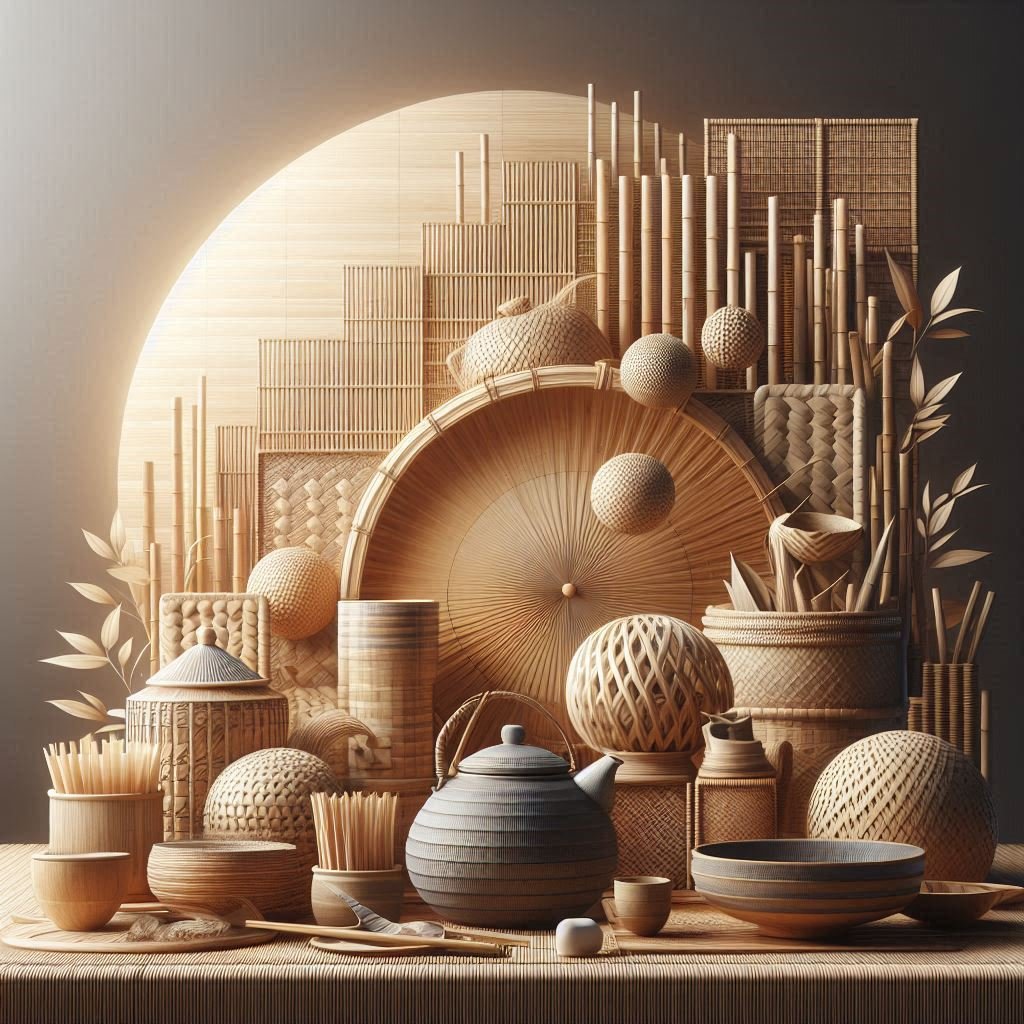
Have you ever wondered why the woven bamboo industry report is gaining so much buzz lately? As sustainability becomes more than just a trend, businesses and consumers alike are shifting to eco-friendly solutions—and woven bamboo is stepping into the spotlight. From furniture to packaging and even fashion, woven bamboo is proving to be more than just a traditional craft; it’s a billion-dollar industry in the making.
Key Takeaways
-
The global woven bamboo industry is rapidly expanding due to sustainability trends.
-
Asia-Pacific dominates production, but Europe and North America are major consumers.
-
Interior design, packaging, and fashion are the hottest growth areas.
-
Technological innovations are making bamboo products stronger, more versatile, and globally competitive.
-
Investment opportunities are rising as eco-conscious markets expand.
Introduction to the Woven Bamboo Industry
Why the woven bamboo market is gaining global attention
Woven bamboo is no longer just a cultural artifact. Today, it represents a shift toward greener living. Global brands are exploring bamboo-based solutions because they’re renewable, versatile, and stylish.
Sustainable benefits driving industry growth
Unlike plastics or hardwoods, bamboo grows incredibly fast. This makes it one of the most sustainable raw materials for industries looking to cut their carbon footprint.
Market Overview
Definition and applications of woven bamboo
Woven bamboo refers to products created from interlacing bamboo strips, ranging from mats and baskets to furniture and wall coverings.
Traditional vs. modern uses in different industries
Traditionally, bamboo weaving was used for daily necessities. Now, it’s evolving into high-end interior designs, packaging, and even fashion.

Current Market Size and Growth Rate
Global market valuation
According to market reports, the global woven bamboo industry was valued at USD 3.1 billion in 2024 and is projected to reach USD 6.7 billion by 2035.
Regional market shares
-
Asia-Pacific: Largest producer (China, Indonesia, India).
-
Europe: Strong demand for sustainable interior and fashion.
-
North America: Growing bamboo use in packaging and lifestyle goods.
CAGR projections
The industry is expected to grow at a compound annual growth rate (CAGR) of 7.5% over the next decade.
Key Market Drivers
Rising demand for eco-friendly products
With consumers actively rejecting plastics, bamboo products are thriving.
Government initiatives promoting bamboo use
Policies across Asia and Africa encourage bamboo farming to reduce deforestation.
Consumer shift toward sustainable living
Eco-conscious buyers are willing to pay more for products that align with their values.
Market Challenges
Supply chain limitations
Bamboo weaving remains labor-intensive, leading to scalability issues.
Competition from synthetic alternatives
Synthetic rattan and plastics are cheaper, though less sustainable.
Lack of awareness in some regions
In certain markets, woven bamboo is still seen as “low-end,” despite premium design options.
Opportunities in the Woven Bamboo Market
Interior design and furniture industry
High-end bamboo furniture and wall coverings are trending globally.
Packaging and food service solutions
Bamboo trays, baskets, and wraps are replacing single-use plastics.

Fashion and lifestyle applications
Handbags, hats, and shoes made from woven bamboo are entering luxury markets.
Technological Innovations in Woven Bamboo
Advanced weaving techniques
Automation and machine-assisted weaving are scaling production.
Hybrid bamboo composite materials
Blending bamboo with resins creates durable, waterproof alternatives to plastics.
Regional Analysis
Asia-Pacific as the leading producer
China and Indonesia remain the largest suppliers of woven bamboo products.
Europe’s sustainable fashion and home décor demand
Europeans value woven bamboo for its natural, minimalist aesthetic.
North America’s growth in eco-friendly packaging
Startups in the U.S. are using bamboo for biodegradable food containers.
Competitive Landscape
Leading players in the woven bamboo market
Major exporters are based in China, Vietnam, and Indonesia.
Emerging startups and SMEs
Eco-brands are popping up in the U.S. and Europe, focusing on premium bamboo design.
Investment Trends
Venture capital in bamboo startups
Eco-conscious investors are backing bamboo-based packaging and décor companies.
Government and NGO funding initiatives
Sustainable development funds are being directed into bamboo farming and crafts.
Consumer Trends
Popularity of handcrafted woven bamboo products
Shoppers love the authenticity and craftsmanship of handmade bamboo items.
Influence of e-commerce on distribution
Platforms like Etsy and Amazon have boosted global accessibility.
Future Outlook
Predicted industry transformation by 2035
By 2035, woven bamboo could be a mainstream material in construction, décor, and consumer goods.
Potential for circular economy integration
Bamboo’s recyclability makes it an ideal fit for zero-waste economies.
Case Studies
Successful woven bamboo product launches
Luxury hotels in Bali are adopting woven bamboo furniture to enhance eco-tourism appeal.
Community-driven bamboo projects
In India, local cooperatives are creating woven bamboo baskets for export markets.
Key Takeaways for Investors and Businesses
-
Bamboo demand is accelerating, making it a future-proof industry.
-
Diversification into furniture, packaging, and fashion provides multiple revenue streams.
-
Early adoption of automation will decide which companies scale successfully.
Conclusion
The woven bamboo industry report reveals that bamboo weaving is no longer just a cultural craft but a global business opportunity. With sustainability at the core of modern markets, businesses that embrace bamboo today will lead tomorrow. To explore more about woven bamboo solutions, visit Bamboodee—a resource hub for eco-conscious innovations.
FAQs
1. What is driving the growth of the woven bamboo industry?
Eco-conscious demand, government initiatives, and design innovation are the main drivers.
2. How big is the current market for woven bamboo products?
As of 2024, the market was valued at USD 3.1 billion and is projected to double by 2035.
3. What industries benefit most from woven bamboo?
Interior design, packaging, and fashion are the leading sectors.
4. What role does technology play in bamboo weaving?
Automation and hybrid materials make products stronger and more scalable.
5. Is woven bamboo really sustainable compared to alternatives?
Yes, bamboo grows faster than hardwoods and is 100% biodegradable, making it more eco-friendly than plastics or synthetics.