
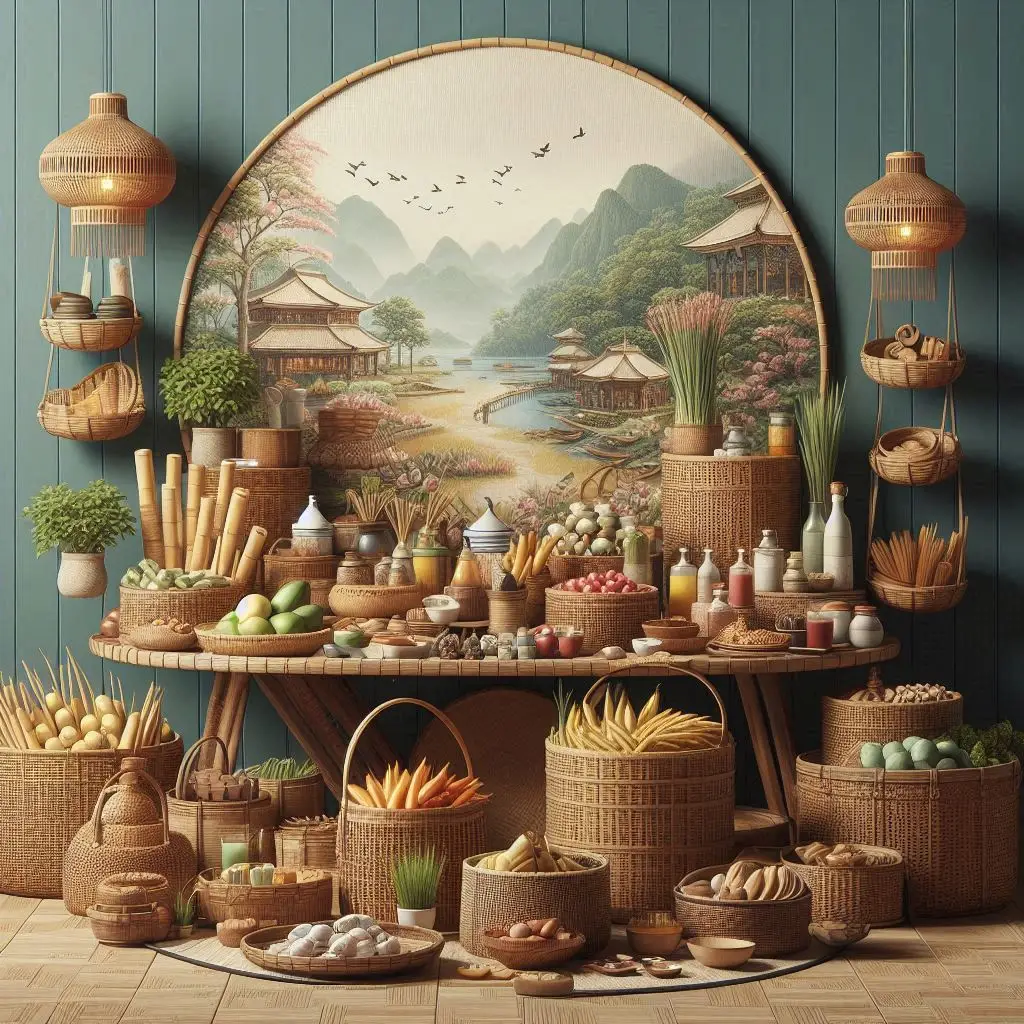
If you’ve been wondering why eco-friendly products are suddenly everywhere, you’re not alone. One of the fastest-growing industries today is the woven bamboo market trends, and it’s changing how people view everyday products. From kitchenware to furniture, woven bamboo is stepping in as a sustainable solution where plastics and synthetic materials once ruled.
Key Takeaways
-
The global woven bamboo market is witnessing significant growth due to sustainability demands.
-
Governments, brands, and consumers are pushing eco-friendly alternatives.
-
Woven bamboo is expanding beyond crafts into construction, fashion, and packaging.
-
Challenges remain in supply chains and pricing, but innovation is driving opportunities.
Why the World is Turning to Woven Bamboo
People are tired of cheap plastic products that pollute oceans and landfills. With climate change concerns at the forefront, consumers are actively seeking sustainable, natural, and biodegradable products.
Woven bamboo fits perfectly into this shift. Unlike synthetic fibers, it’s renewable, eco-friendly, and often handcrafted, which adds value to consumers looking for authenticity.
Global Woven Bamboo Market Overview
The market for woven bamboo is expanding globally. According to recent industry reports, the global bamboo products market is valued at USD 68.8 billion in 2024 and projected to reach USD 98.3 billion by 2030, growing at a CAGR of 6.1%.
Here’s a quick look at the woven bamboo market’s growth:

| Year | Market Value (USD Billion) | Growth Rate (%) |
|---|---|---|
| 2022 | 64.2 | 5.8 |
| 2024 | 68.8 | 6.1 |
| 2027 | 82.5 | 6.3 |
| 2030 | 98.3 | 6.1 |
Regional Market Trends
Asia-Pacific Leadership
Asia remains the largest producer and exporter of woven bamboo. Countries like China, Indonesia, Vietnam, and the Philippines are leading suppliers due to abundant bamboo resources and skilled artisans.
North America and Europe Rising Demand
In these regions, the push for eco-friendly living and stricter environmental laws has made woven bamboo products a hot trend. Consumers want sustainable alternatives, and businesses are stepping up.
Emerging Markets in Africa and Latin America
These regions are slowly catching up, with growing awareness and local initiatives promoting bamboo as a sustainable resource.
Key Drivers of the Woven Bamboo Industry
Sustainability and Eco-Conscious Consumers
The biggest factor? People simply want greener options. Bamboo is renewable, biodegradable, and has a lower carbon footprint compared to plastics or wood.
Government Policies Supporting Eco-Materials
Many governments are restricting single-use plastics, creating space for natural alternatives like woven bamboo.
Rising Trend of Artisanal and Handmade Crafts
Handcrafted woven bamboo appeals to consumers who value authenticity and cultural heritage.
Impact of E-Commerce on Bamboo Products
E-commerce has transformed how woven bamboo products reach consumers. Online platforms like Amazon, Etsy, and specialized eco-shops showcase bamboo baskets, mats, bags, and furniture.
Social media platforms, particularly Instagram and Pinterest, play a major role in promoting eco-living, driving curiosity and purchases.
Consumer Behavior Shifts
Today’s consumers care about what they buy. They want items that are sustainable, stylish, and durable. Woven bamboo products check all three boxes.
They are especially popular in:

-
Home décor (lamps, baskets, wall panels)
-
Kitchenware (trays, plates, storage)
-
Fashion (bags, hats, jewelry)
Woven Bamboo in Interior Design
Minimalist and natural interiors are trending worldwide. Woven bamboo furniture, lighting fixtures, and wall accents add warmth and a natural aesthetic that people crave.
Eco-hotels and restaurants are also embracing woven bamboo as a design statement, making sustainability part of their brand identity.
Industrial Applications of Woven Bamboo
Furniture and Construction Materials
Woven bamboo is being used in furniture, panels, and even structural materials, thanks to its strength and flexibility.
Packaging Solutions and Alternatives to Plastic
Companies are now exploring woven bamboo as packaging for luxury goods, gift items, and food storage, offering a premium yet sustainable alternative.
Woven Bamboo in Fashion
Fashion is embracing natural fibers like never before. Bamboo bags, clutches, hats, and even shoes are blending traditional weaving techniques with modern design.
Luxury brands are experimenting with bamboo accessories, making them not just sustainable but also stylish.
Challenges in the Woven Bamboo Market
Of course, no industry is perfect. Woven bamboo faces challenges like:
-
Limited availability of high-quality raw materials
-
Competition from cheaper synthetic alternatives
-
Price sensitivity among consumers
Opportunities for Growth
On the flip side, the opportunities are huge:
-
Technological advancements in weaving machines
-
Cross-industry collaborations (e.g., bamboo + textiles or bamboo + packaging)
-
Rising consumer education on eco-friendly choices
Future Outlook of the Woven Bamboo Market
Looking ahead, the woven bamboo market is set to grow steadily over the next decade.
By 2035, experts predict that bamboo products will be mainstream in home, fashion, and construction industries.
Innovation, government support, and consumer demand will continue to shape this sustainable market.
Key Takeaways
-
Woven bamboo is more than just a craft—it’s a global market force.
-
Sustainability, government policies, and consumer trends are pushing growth.
-
Despite challenges, innovation offers endless opportunities.
Conclusion – The Sustainable Path Ahead
The woven bamboo market trends clearly point toward a future where eco-friendly products dominate. From fashion to furniture, woven bamboo is proving its worth as a sustainable, stylish, and versatile material.
If you’re looking to explore or source woven bamboo products, bamboodee.com is a great place to start. This market isn’t just a trend—it’s the foundation of a greener future.
FAQs on Woven Bamboo Market Trends
1. What industries benefit most from woven bamboo?
Home décor, fashion, packaging, and construction industries are the top beneficiaries.
2. Is woven bamboo more durable than synthetic materials?
Yes, woven bamboo can be highly durable, especially when treated properly, and it offers eco-friendly advantages.
3. How does the woven bamboo market support local communities?
It creates jobs for artisans, promotes traditional skills, and boosts rural economies.
4. What innovations are shaping the bamboo industry?
Automated weaving technologies, hybrid materials, and eco-friendly coatings are leading the way.
5. Where can businesses source quality woven bamboo products?
Suppliers from Asia, particularly China, Indonesia, and Vietnam, are global leaders. Online platforms like bamboodee.com also connect buyers with trusted sources.