
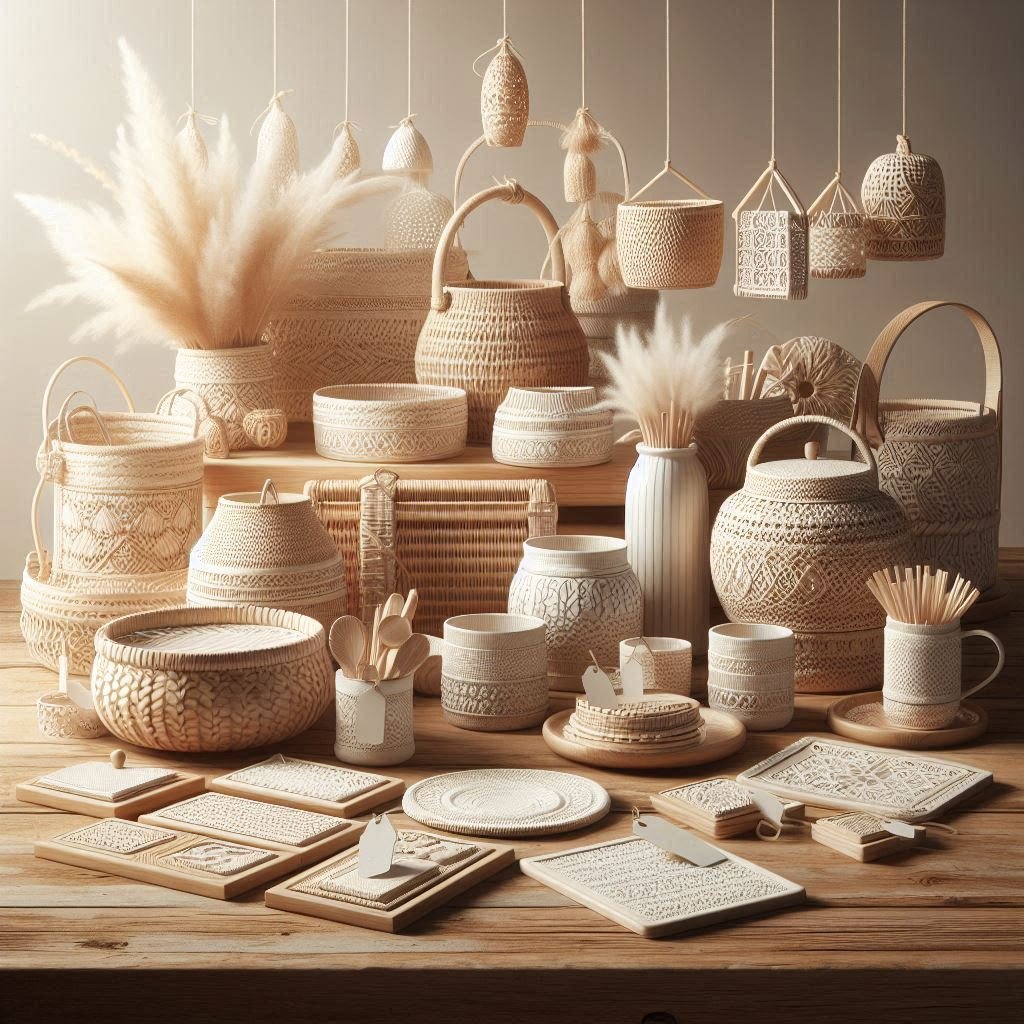
Ever thought about launching your own sustainable product line without building a factory or worrying about design from scratch? That’s where white label woven bamboo products come in. These eco-friendly goods allow you to create a unique brand using already perfected bamboo designs — giving you a fast track to join the booming green economy.
Key Takeaways
-
White labeling lets you rebrand existing bamboo products easily.
-
Woven bamboo goods are eco-friendly, durable, and visually appealing.
-
Sustainable products dominate consumer demand in 2025.
-
Perfect opportunity for eCommerce entrepreneurs and eco-conscious brands.
Understanding White Label and Private Label Concepts
What Does “White Label” Mean?
White label products are generic goods made by one company and sold under another company’s brand name. You get to focus on marketing and branding while the manufacturer handles production.
Difference Between White Label and Private Label Bamboo Products
Private label usually involves more control over product specifications, while white label focuses on ready-made goods. The white label model is faster to market and ideal for testing new eco-friendly product lines.
Why Woven Bamboo Products Are Ideal for White Labeling
Bamboo is lightweight, versatile, and naturally beautiful — perfect for any brand aesthetic. Plus, bamboo is sustainable, growing faster than most other natural materials.
Why Choose Woven Bamboo for Your White Label Brand?
Sustainability and Environmental Appeal
Woven bamboo is biodegradable, renewable, and supports sustainable communities. In an era of plastic reduction, these products check every eco-conscious box.

Durability and Natural Aesthetic
Bamboo fibers are surprisingly strong — comparable to steel in tensile strength. The woven texture also offers a timeless and natural design appeal.
Easy Customization for Branding
Manufacturers allow printing, laser engraving, or customized packaging, making your bamboo line distinct and brand-specific.
Popular White Label Woven Bamboo Products
Woven Bamboo Baskets
Perfect for storage, décor, or gift sets — versatile and eco-chic.
Bamboo Storage Boxes
Ideal for organizing or retail packaging with a minimalist vibe.
Bamboo Trays and Mats
Functional home essentials that customers love for both aesthetics and sustainability.
Bamboo Home Décor and Furniture
Larger brands are expanding into bamboo lighting, partitions, and stools — combining art and functionality.
Global Market Trends for Woven Bamboo Products
According to recent reports, the global bamboo products market is expected to reach USD 87.6 billion by 2030, growing at a CAGR of 5.7% from 2024 to 2030.
| Year | Market Size (USD Billion) | Growth Rate (%) |
|---|---|---|
| 2020 | 58.3 | 4.8 |
| 2023 | 69.5 | 5.3 |
| 2025 | 78.1 | 5.5 |
| 2030 | 87.6 | 5.7 |
Consumers worldwide are willing to pay up to 20% more for sustainable goods — making bamboo an investment, not just a trend.
Benefits of Selling White Label Woven Bamboo Products
Low Production Costs, High Margins
Buying directly from manufacturers means better profit margins, even when sold at eco-luxury prices.
Fast Market Entry with Trusted Manufacturers
Skip prototyping delays — start selling your branded bamboo items in weeks, not months.

Scalability and Brand Flexibility
As your demand grows, suppliers can easily scale production without compromising quality.
How to Source White Label Woven Bamboo Products
Choosing Reliable Suppliers and Manufacturers
Work with suppliers who prioritize ethical practices, fair trade, and consistent quality.
Quality Control and Ethical Sourcing
Always request samples and certifications (like FSC or ISO). Reliable sourcing ensures long-term customer trust.
MOQ (Minimum Order Quantity) Considerations
Some suppliers allow low MOQs for startups — a great option for testing market response.
Customization and Branding Opportunities
Custom Logos, Packaging, and Labeling
Laser-engraved logos, branded labels, and eco-packaging elevate perceived value instantly.
Product Differentiation with Finishes and Patterns
Experiment with different weaves, patterns, and stains to align with your brand’s visual identity.
How to Start Your White Label Bamboo Business
Step-by-Step Business Plan
-
Choose your niche (home décor, kitchenware, storage, etc.)
-
Find a white label supplier like Bamboodee
-
Design branding elements and packaging
-
Create an online storefront (Shopify, Etsy, Amazon)
-
Promote using social media and influencer marketing
Finding Your Target Market
Identify audiences who value sustainability — such as eco-friendly households, green retailers, or minimalist design lovers.
Online Store Setup and Marketing Strategies
Optimize product listings with SEO, use high-quality photos, and promote through eco-lifestyle blogs or sustainable marketplaces.
Common Challenges and How to Overcome Them
Managing Supply Chain and Inventory
Partner with suppliers offering dropshipping or small-batch manufacturing.
Ensuring Product Consistency
Regular quality checks ensure every woven bamboo piece meets brand standards.
Competing in the Eco-Friendly Market
Build a strong story — customers connect with purpose-driven brands.
Real Success Stories in White Label Bamboo Business
Case Study of Eco Brands Thriving with Bamboo
Brands like “EcoSoul” and “Bamboo Earth” started small with white label products and are now in global retail chains.
Lessons You Can Apply to Your Brand
Consistency, transparency, and creative storytelling are key. Consumers buy emotions, not just products.
Future of White Label Woven Bamboo Products
Innovation and Design Evolution
Expect new bamboo composites, waterproof finishes, and hybrid materials entering the market soon.
Role in the Circular Economy
Bamboo products can be recycled, upcycled, and composted — making them a perfect fit for the future circular economy.
Key Takeaways
-
White label bamboo products combine speed and sustainability.
-
The global bamboo market is growing steadily.
-
Branding and customization make your product line stand out.
-
Starting costs are low, profits are high, and environmental impact is positive.
Conclusion
White label woven bamboo products are more than just a business trend — they’re a gateway into the eco-conscious future of retail. With minimal investment, maximum flexibility, and high customer demand, there’s never been a better time to go green.
Ready to begin? Start sourcing your products today from Bamboodee, your trusted partner in sustainable bamboo craftsmanship.
FAQs
1. What are white label woven bamboo products?
They are pre-made bamboo goods that you can brand and sell under your own company name.
2. Can I customize packaging and design?
Yes! Most manufacturers offer logo printing, unique packaging, and labeling.
3. Are bamboo products durable for long-term use?
Absolutely. Woven bamboo is strong, flexible, and built to last.
4. Do I need a large order to start?
Not necessarily. Some suppliers accept small orders for startups or pilot runs.
5. Where can I find reliable white label bamboo manufacturers?
You can start by visiting Bamboodee, a trusted supplier specializing in eco-friendly woven bamboo products.