
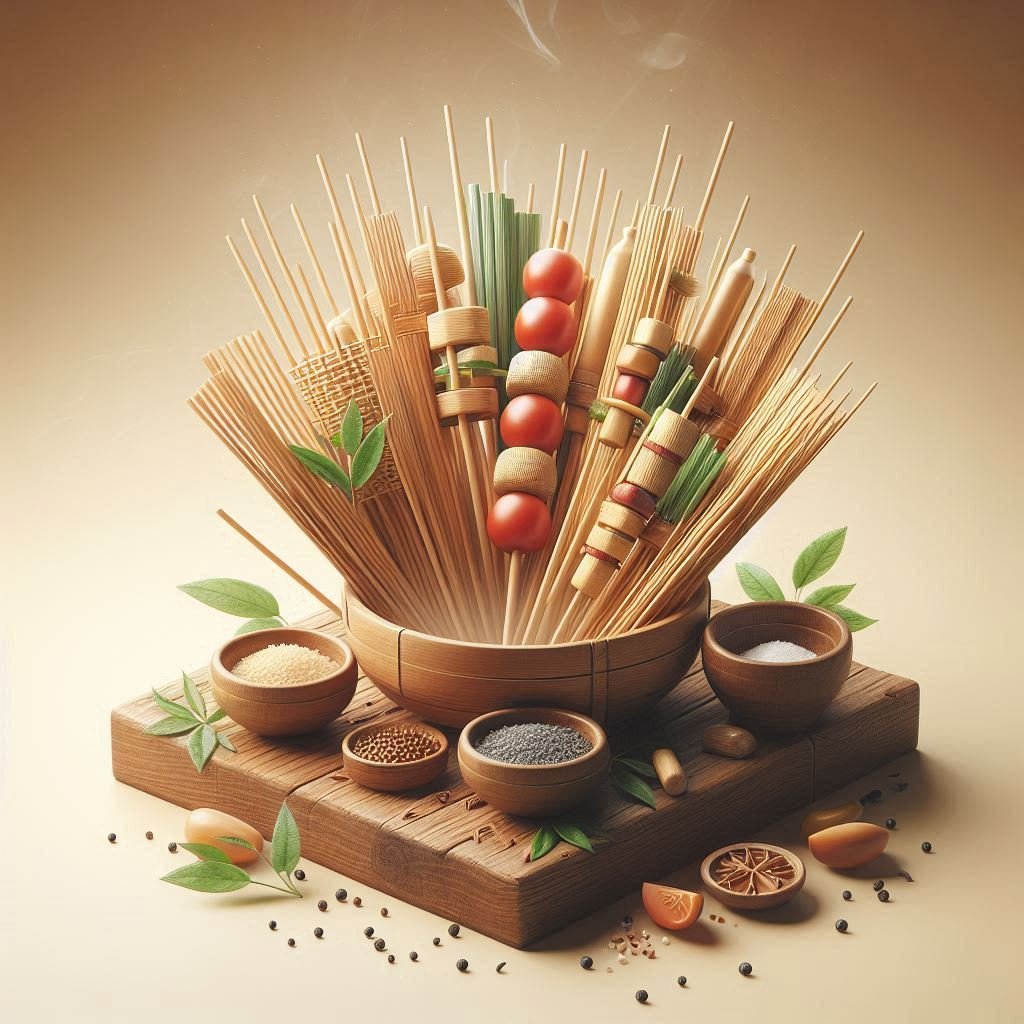
Ever tried running a cooking class with 25 hungry, curious kids and no easy tools? That’s where bamboo skewers for school cooking classes come to the rescue. These simple, affordable sticks aren’t just eco-friendly—they’re a total game-changer for educators. Whether it’s stacking fruit kabobs, building sandwich towers, or whipping up marshmallow treats, bamboo skewers help bring hands-on learning to life in the most fun (and safe) way possible.
Key Takeaways
-
Bamboo skewers are safe, affordable, and biodegradable—perfect for school use.
-
They promote hands-on learning while supporting hygiene and easy clean-up.
-
Ideal for recipes, crafts, and even STEM activities in school environments.
-
Teachers report higher engagement and better food awareness among students.
Why School Cooking Classes Matter Today
Building Life Skills Early
Let’s be real: most of us wish we’d learned to cook before college. Cooking classes teach essential life skills like measuring, slicing, and following instructions. These lessons stick with kids for life.
Encouraging Healthy Eating Habits
Cooking isn’t just fun—it’s education. Kids who cook are more likely to try new foods and make healthier choices. Imagine a student making their own veggie skewer and actually liking it!
Adding Fun and Creativity in Learning
Cooking activates all senses—touch, taste, sight, and smell. With skewers, it’s like edible Legos. Kids can get creative while learning without it feeling like work.
The Role of Bamboo Skewers in Cooking Classes
Why Use Bamboo Skewers Instead of Metal or Plastic?
Metal is heavy and sharp. Plastic melts. Bamboo? It’s the perfect middle ground—light, safe, and sustainable.

Eco-Friendly Advantages
Bamboo grows fast and doesn’t require pesticides. It’s also 100% biodegradable, making it a greener choice for schools looking to reduce waste.
Kid-Safe Features
Rounded edges and splinter-free surfaces make bamboo skewers safe for young hands—no need to worry about sharp surprises.
Affordable and Disposable
No need for washing dishes. Bamboo skewers are cheap enough to be single-use, which cuts down on time and clean-up hassle.
Creative Recipes Using Bamboo Skewers
Fruit Kabobs for Beginners
Chop some melon, berries, and bananas. Let kids assemble their own rainbow kabobs. It’s colorful, healthy, and mess-free.
Veggie Skewers and Mini Sandwiches
Cheese cubes, cherry tomatoes, baby carrots—layered with crackers or small bread pieces. A tasty snack and learning experience.
Grilled Cheese Cubes on Skewers
Slice grilled cheese into bite-sized cubes and skewer them with pickles or cherry tomatoes. Boom—comfort food on a stick.
Sweet Treats Like Marshmallow Pops
Dip marshmallows in chocolate, roll them in sprinkles, and skewer them for a no-bake dessert win.
Benefits of Bamboo Skewers in the Classroom
Hands-On Experience Without the Mess
Kids love getting their hands dirty—but teachers don’t. Bamboo skewers offer a clean solution that keeps hands (and tables) a little less sticky.
Easy Clean-Up and Safety First
Just toss them when done. No risk of broken dishes or sharp edges to clean.
Great for Group Activities and Team Projects
Perfect for teamwork. Kids can work in pairs or groups to create recipes together, improving communication and collaboration.

Tips for Teachers: Using Bamboo Skewers Safely
Prepping Skewers for Young Students
Trim the sharp ends if necessary or soak them to soften the tips. Pre-cut ingredients to avoid using knives in class.
Supervision and Hygiene Rules
Set up stations with hand sanitizers and remind students not to touch each other’s food. Hygiene first!
Making Cooking Time Efficient and Fun
Create a station system so kids rotate through prep, assembly, and clean-up. Keeps chaos to a minimum.
Stats: The Impact of Cooking Classes on Children
Better Food Choices and Academic Engagement
According to a study by Harvard T.H. Chan School of Public Health, students involved in cooking programs were 26% more likely to try new fruits and vegetables.
Confidence Boost from Hands-On Learning
-
81% of teachers said students showed more confidence in the kitchen after just one semester.
-
67% of kids reported they “loved” cooking time more than traditional classes.
-
Cooking classes improve fine motor skills and problem-solving ability, especially in ages 6–12.
Where to Buy High-Quality Bamboo Skewers
Choosing Trusted Brands
Stick to brands that offer food-grade, splinter-free skewers made from natural bamboo. No dyes or chemicals.
What to Look for When Ordering Online
Check length (6–8 inches is great for kids), smoothness, and reviews from other teachers.
Why Bamboo Skewers Are the Smart Choice
Sustainable and Biodegradable
Not only are bamboo skewers cheap—they’re green. You’re not just feeding kids, you’re teaching sustainability too. Learn more about bamboo.
Lightweight and Safe for All Ages
No heavy or dangerous utensils. Just a stick and a bunch of edible ideas.
Activities Beyond Cooking
Skewer Art Projects
From mini sculptures to paintbrushes, skewers double up as fun craft tools.
Building 3D Models and Shapes
Teach geometry with marshmallows and skewers. Yes, really! It’s educational and delicious.
Teachers’ Voices: What They’re Saying
Real Testimonials from Educators
“Bamboo skewers were the best addition to my classroom this year. Zero clean-up and total engagement.” — Ms. Lopez, Grade 3
“My students love making skewer snacks. It gets them interested in eating veggies!” — Mr. T, Culinary Instructor
Favorite Recipes and Success Stories
Many schools now use skewers for international food days, science experiments, and even cultural learning events.
How to Store and Reuse Bamboo Skewers
Drying and Cleaning Tips
For light use, a quick rinse and dry does the trick. Otherwise, compost and replace.
When to Toss vs. Reuse
If they’ve touched raw meat or sauces, toss ’em. For crafts or dry snacks, reuse is totally fine.
Cost Breakdown for School Budgets
How Many Skewers Per Class?
Estimate 2–3 per student. A pack of 100 can serve about 30 students comfortably.
Budget-Friendly Tips for Bulk Buying
Buy in bulk from trusted suppliers like Bamboodee to save on costs and shipping.
Adding Fun and Learning Together
Skewers as Teaching Tools
Think beyond food—teach fractions with fruit slices, or sequencing with sandwich layers.
Edible Lessons and Nutritional Awareness
Teach food groups, sugar content, and colors with skewer-based lessons. It’s like sneaking veggies into a brownie.
Final Thoughts: Skewers That Make a Difference
If you’re looking for a fun, affordable, and sustainable way to elevate your cooking class—or even just your classroom—bamboo skewers are the way to go. They’re safe for kids, versatile for all kinds of activities, and kind to the planet. Ready to try them out? Visit Bamboodee and get your classroom stocked up.
FAQs
1. Are bamboo skewers safe for young kids in school?
Yes! Just trim the sharp ends and supervise. They’re much safer than metal alternatives.
2. Can bamboo skewers be reused in class?
They can if used for dry food or crafts, but avoid reusing them after contact with raw or messy foods.
3. How can I store bamboo skewers for class use?
Keep them in a dry, sealed container away from moisture. They’ll last for months.
4. Are there allergy risks with bamboo skewers?
Bamboo is hypoallergenic and generally safe, but always check for any student sensitivities.
5. What other classroom uses do bamboo skewers have?
From STEM projects to art and storytelling tools, the possibilities go far beyond the kitchen!