
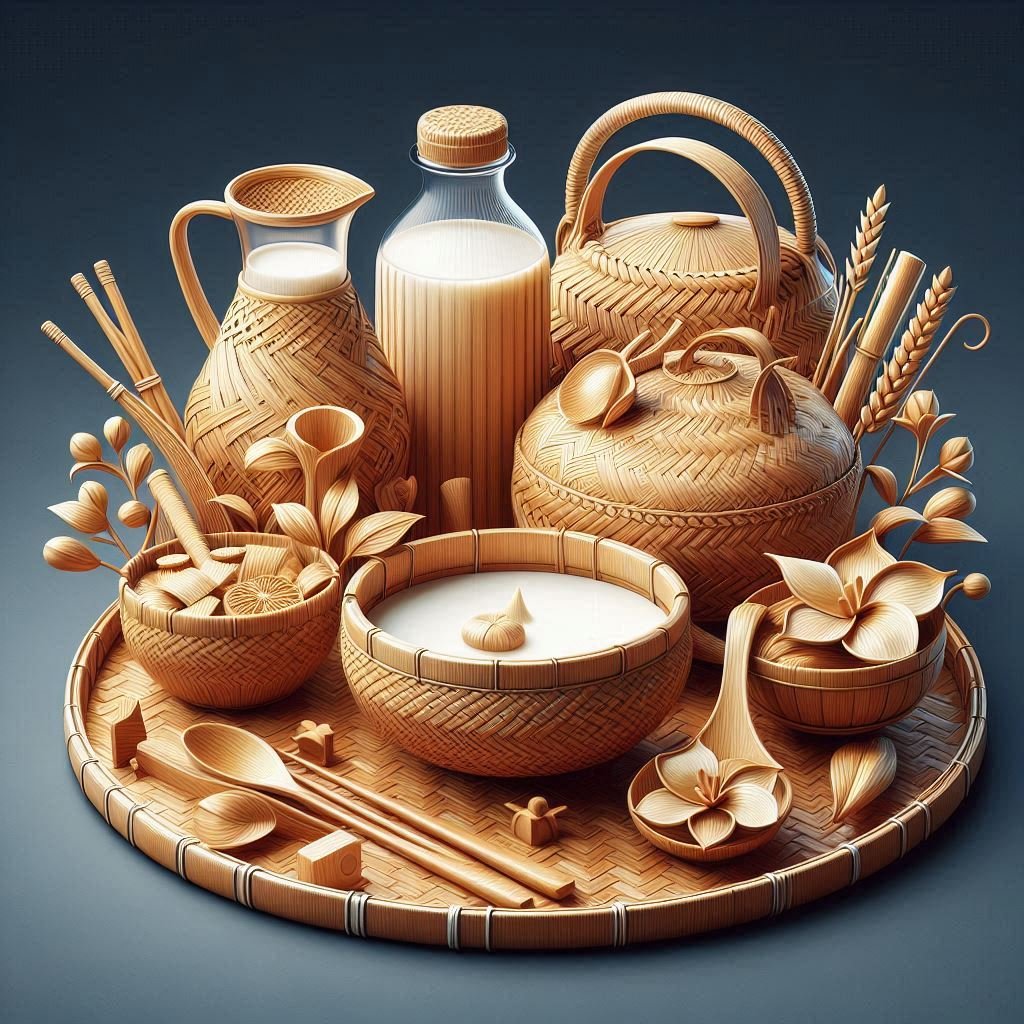
If you’re sourcing eco-friendly products, one term you’ve probably stumbled across is a woven bamboo fair trade supplier. The problem is, not all suppliers are created equal. Some prioritize cheap labor and mass production, while others commit to fair wages, sustainable harvesting, and cultural preservation. Choosing the right supplier isn’t just a purchasing decision—it’s a reflection of your brand’s values.
Key Takeaways
-
Fair trade ensures artisans are paid fairly while preserving traditional weaving.
-
Partnering with fair trade bamboo suppliers supports both sustainability and ethical business practices.
-
Industries from fashion to home décor are driving demand for woven bamboo products.
-
Global demand for eco-friendly bamboo products is rising by 12% annually.
-
Certifications and transparency are essential in identifying authentic fair trade suppliers.
Introduction to Fair Trade and Woven Bamboo
What Does Fair Trade Really Mean?
Fair trade is more than a label—it’s a movement. It guarantees fair wages, safe working conditions, and respect for cultural traditions. When applied to woven bamboo, it means artisans in rural communities are recognized and rewarded for their craftsmanship.
The Role of Bamboo in Global Trade
Bamboo isn’t just a plant—it’s a renewable resource with countless uses, from construction to lifestyle products. Because it grows rapidly and requires little water, it’s one of the most sustainable materials in global trade today.
Why Choosing a Woven Bamboo Fair Trade Supplier Matters
Ethical Sourcing and Community Impact
Working with fair trade suppliers ensures that artisans earn wages that support their families. It helps fight poverty while preserving indigenous weaving techniques passed down for generations.
Environmental Benefits of Fair Trade Bamboo
Unlike mass-market suppliers who might cut corners, fair trade producers follow eco-friendly harvesting practices. This reduces deforestation and promotes biodiversity.

The Process Behind Woven Bamboo Products
Traditional Weaving Techniques
Each basket, mat, or lamp isn’t just a product—it’s a piece of heritage. Traditional weaving combines artistry with utility, making every item unique.
From Farmers to Finished Products
The supply chain begins with bamboo farmers and ends with global consumers. Fair trade ensures every step—from harvesting to weaving—is ethical and transparent.
Preserving Craftsmanship Through Fair Trade
Fair trade acts as a safeguard for ancient weaving skills that could otherwise vanish in the face of industrial mass production.
Industries That Rely on Woven Bamboo Fair Trade Suppliers
Home Décor and Interior Design
Woven bamboo products are a staple in sustainable home décor, from lampshades to storage baskets. Designers prefer them for their natural aesthetic and eco-value.
Hospitality and Restaurant Industry
Restaurants use woven bamboo trays, placemats, and wall accents to create a warm, earthy ambiance while showcasing eco-conscious values.
Fashion and Lifestyle Accessories
Handbags, hats, and jewelry crafted from woven bamboo are becoming mainstream in sustainable fashion markets.
Comparing Fair Trade vs. Non-Fair Trade Bamboo Suppliers
Transparency in Pricing
Fair trade suppliers are upfront about costs, ensuring artisans earn a fair share. Non-fair trade suppliers often hide labor exploitation behind low prices.
Quality and Durability of Products
Products from fair trade suppliers often last longer because artisans take pride in their craft, compared to mass-produced items.
Impact on Local Communities
Fair trade keeps profits within local communities, strengthening education, healthcare, and infrastructure.
Key Benefits of Partnering with Fair Trade Suppliers
Building a Sustainable Supply Chain
Choosing fair trade means your business supports ethical practices throughout the entire production chain.

Strengthening Your Brand Image
Modern consumers actively look for businesses that align with sustainability and ethics. Fair trade partnerships enhance brand loyalty.
Meeting Consumer Demands for Ethical Products
Research shows that 73% of Gen Z consumers prefer buying from ethical brands. This trend is fueling growth in the fair trade bamboo sector.
Market Demand and Statistics for Fair Trade Bamboo
Growing Global Demand for Sustainable Materials
Sustainability is no longer optional—it’s a market demand. Companies that ignore it risk falling behind competitors.
Latest Statistics on Bamboo Exports and Fair Trade Growth
| Year | Global Bamboo Market Value | Growth Rate | Fair Trade Bamboo Share |
|---|---|---|---|
| 2022 | $60 Billion | 9% | 7% |
| 2024 | $73 Billion | 12% | 10% |
| 2030 (Projected) | $115 Billion | 12%+ | 15%+ |
How to Identify a Reliable Woven Bamboo Fair Trade Supplier
Certifications and Proof of Fair Trade
Look for certifications like Fairtrade International or WFTO (World Fair Trade Organization).
Signs of Transparency and Authenticity
Suppliers should share clear sourcing details, artisan stories, and verified production processes.
Challenges in the Fair Trade Bamboo Supply Chain
Pricing and Market Competition
Fair trade products may cost slightly more, but the long-term ethical and environmental benefits outweigh the difference.
Logistics and International Trade Barriers
From shipping delays to tariffs, global supply chains often create hurdles for small artisan cooperatives.
Future Trends in the Woven Bamboo Industry
Innovations in Eco-Friendly Bamboo Products
From biodegradable packaging to modern furniture, bamboo continues to inspire innovation in green product design.
The Rise of Digital Marketplaces for Fair Trade
Online platforms are making it easier than ever for artisans to reach global buyers directly.
Case Study: Success Story of a Woven Bamboo Fair Trade Supplier
Community Development Through Fair Trade
One supplier in Indonesia reinvests profits into schools and healthcare for artisan families, creating long-lasting impact.
Global Reach and Brand Partnerships
They’ve collaborated with eco-conscious fashion brands and major retailers looking for authentic, sustainable products.
How Businesses Can Support Fair Trade Bamboo
Making Conscious Procurement Decisions
Every purchase sends a message. Choosing fair trade means voting for sustainability with your dollars.
Educating Consumers on Fair Trade Products
Businesses should also inform customers why fair trade matters—helping build awareness and demand.
Conclusion: The Smart Choice for Sustainability and Ethics
Partnering with a woven bamboo fair trade supplier isn’t just about sourcing materials—it’s about joining a global movement that values people, planet, and profit in equal measure. If your brand wants to stand out as ethical, sustainable, and future-ready, working with fair trade suppliers is the way forward. For businesses ready to take the next step, explore solutions at Bamboodee.
FAQs About Woven Bamboo Fair Trade Suppliers
1. Why is fair trade important in bamboo weaving?
Fair trade ensures artisans are paid fairly, communities thrive, and traditional craftsmanship is preserved.
2. Are fair trade bamboo products more expensive?
They may cost slightly more, but they’re higher quality, last longer, and support ethical labor.
3. How can I verify if a supplier is fair trade certified?
Look for global certifications like WFTO and Fairtrade International, or request supplier documentation.
4. What industries benefit most from fair trade bamboo suppliers?
Home décor, fashion, hospitality, and eco-friendly product industries rely heavily on fair trade bamboo.
5. Is the demand for fair trade bamboo really growing?
Yes! Global bamboo demand is increasing by 12% annually, with fair trade products gaining a larger market share each year.