
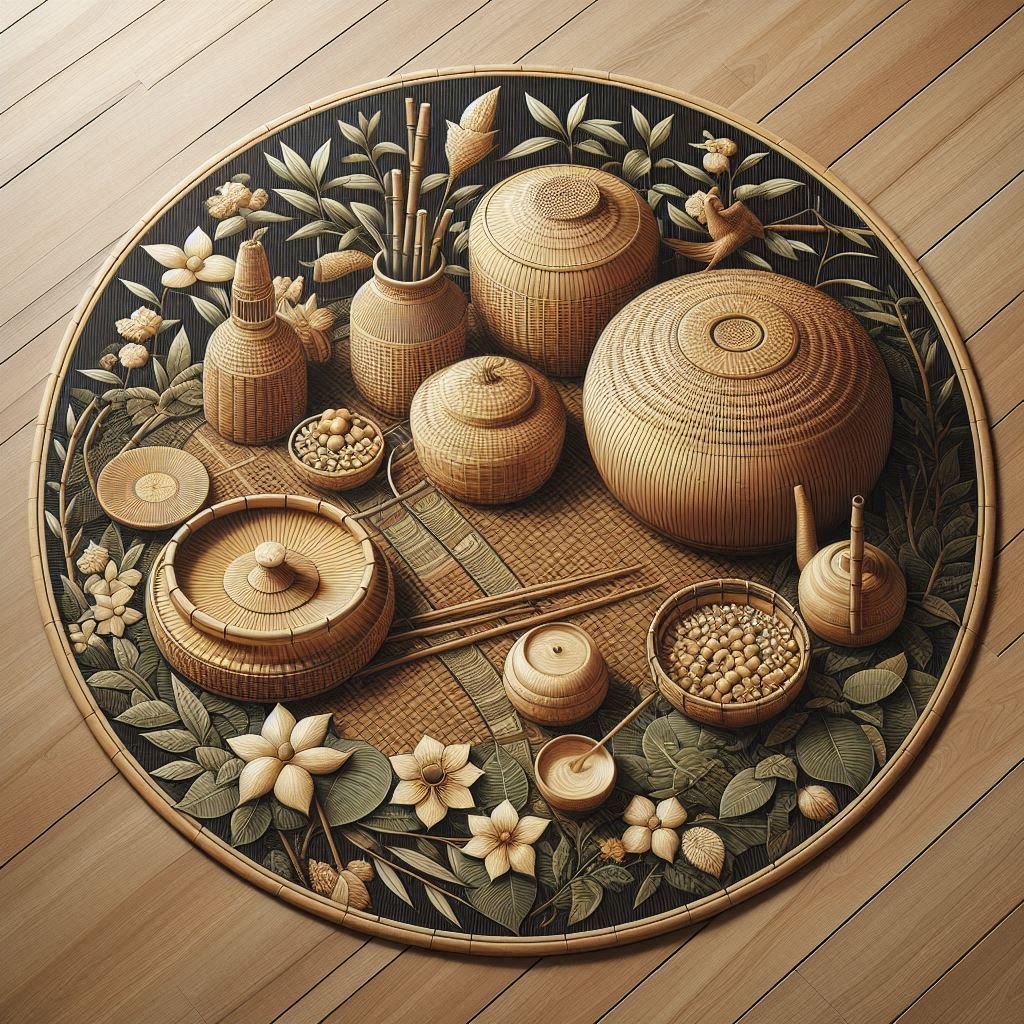
Are you struggling to find reliable woven bamboo importers for your eco-friendly product line or interior design project? You’re not alone. Many businesses and designers face endless hours of searching through unreliable suppliers, inconsistent quality, and poor communication—especially when sourcing sustainable materials like woven bamboo. That’s where a trusted woven bamboo importers directory becomes a game-changer. Whether you’re launching a green furniture brand or remodeling a resort with natural aesthetics, having direct access to verified suppliers can save you time, money, and stress.
If you’re tired of supply chain hiccups and want to work with ethical, high-quality woven bamboo producers, this guide is tailor-made for you.
Key Takeaways
- A woven bamboo importers directory connects you with vetted global suppliers.
- Bamboo is one of the fastest-growing, most sustainable raw materials—ideal for eco-conscious businesses.
- Reliable directories reduce sourcing risks, improve product consistency, and support ethical trade.
- The global bamboo market is booming, projected to reach $98 billion by 2030 (Grand View Research, 2023).
- Platforms like Bamboodee offer curated access to trusted exporters and importers.
Why Sourcing Woven Bamboo Matters Today
Let’s face it—sustainability isn’t just a trend anymore. It’s a necessity. Consumers are demanding eco-friendly products, and brands that ignore this shift risk becoming irrelevant. Enter woven bamboo, a versatile, durable, and renewable material perfect for everything from furniture and flooring to fashion accessories and home décor.
But here’s the catch: not all bamboo suppliers are created equal.
Without a solid woven bamboo importers directory, you could end up with subpar materials, delayed shipments, or even unethical sourcing practices. That’s why building relationships with trustworthy importers is essential.

What Is Woven Bamboo?
Woven bamboo is made by interlacing thin strips of bamboo into a tight, durable fabric-like material. It’s often used in:
- Furniture (chairs, tables, cabinets)
- Wall panels and room dividers
- Baskets, bags, and fashion items
- Decorative home accents
This weaving technique enhances strength and flexibility, making it ideal for both indoor and outdoor use.
Compared to solid bamboo, woven versions offer more design versatility and a unique aesthetic that screams “natural elegance.”
The Rise of Bamboo in Global Markets
Did you know that bamboo grows up to 35 inches per day? That’s faster than any other plant on Earth. Learn more about bamboo here .
This rapid renewability makes it a top choice for sustainable manufacturing. According to recent data:
- The global bamboo market was valued at $67.8 billion in 2022.
- It’s expected to grow at a CAGR of 6.3% from 2023 to 2030.
- Asia-Pacific dominates production, with China, India, and Indonesia leading the pack.
This surge in demand has created a ripple effect—more importers are needed to bridge the gap between producers and international buyers.
Understanding the Woven Bamboo Supply Chain
So how does woven bamboo go from a forest in Vietnam to a boutique hotel in Miami?
Here’s a simplified breakdown:
- Harvesting: Mature bamboo stalks are cut sustainably.
- Processing: Stalks are split, boiled (to prevent pests), and dried.
- Weaving: Artisans hand-weave strips into sheets or patterns.
- Finishing: Coatings or sealants are applied for durability.
- Export: Finished products are shipped via freight to importers.
Each step requires coordination. That’s why a woven bamboo importers directory is so valuable—it connects you to partners who manage this chain efficiently.
Who Uses Woven Bamboo?
You might be surprised how many industries rely on this material:

- Interior Designers: For statement walls, ceiling panels, and custom furniture.
- Furniture Makers: Lightweight yet strong, perfect for outdoor and indoor pieces.
- Architects: Sustainable cladding and shading solutions.
- Fashion Brands: Eco-friendly bags, hats, and accessories.
- Eco-Tourism Resorts: Natural aesthetics that blend with the environment.
If your business values sustainability, design, and durability, woven bamboo should be on your radar.
Challenges in Sourcing Woven Bamboo
Let’s be real—importing woven bamboo isn’t always smooth sailing. Common pain points include:
- Inconsistent quality: One shipment looks great; the next is warped or poorly woven.
- Lack of transparency: Some suppliers hide their sourcing practices.
- Long lead times: Poor logistics planning can delay projects.
- Language and cultural barriers: Miscommunication leads to errors.
- Minimum order quantities (MOQs): Too high for small businesses.
Without a reliable woven bamboo importers directory, you’re flying blind.
The Role of a Woven Bamboo Importers Directory
Think of a woven bamboo importers directory as your personal GPS for global sourcing. Instead of guessing which suppliers are trustworthy, you get:
- Verified company profiles
- Product catalogs and certifications
- Contact details and MOQs
- Customer reviews and ratings
- Logistics and export experience
It’s like Yelp for importers—but specifically for sustainable bamboo products.
These directories act as a filter, helping you avoid scams and find partners who align with your values.
Top Benefits of Using a Directory
Why should you bother with a directory? Let’s break it down:
- Saves Time: No more endless Google searches or cold emails.
- Reduces Risk: Verified suppliers mean fewer surprises.
- Improves Quality Control: You can compare samples and reviews.
- Supports Ethical Trade: Many directories highlight fair labor and eco-certifications.
- Facilitates Scaling: Find suppliers that grow with your business.
In short, a good directory turns sourcing from a headache into a strategic advantage.
How to Choose the Right Woven Bamboo Importer
Not all importers are equal. Here’s what to look for:
1. Certifications Matter
Look for:
- FSC (Forest Stewardship Council)
- ISO 9001 (Quality Management)
- OEKO-TEX (for textiles)
- Fair Trade or B Corp status
These show the supplier follows ethical and environmental standards.
2. Product Range & Customization
Can they make custom sizes, weaves, or finishes? Flexibility is key for designers and brands.
3. Export Experience
Ask: Have they shipped to your country before? Do they handle customs and documentation?
4. Communication & Responsiveness
Fast replies, clear English, and proactive updates are signs of professionalism.
5. Sample Policy
A good importer offers samples before bulk orders. Never skip this step.
Top 5 Countries for Woven Bamboo Imports
Where should you source from? Here are the top players:
1. China
- Pros: Largest producer, competitive pricing, advanced processing.
- Cons: Quality varies; due diligence is crucial.
- Best for: Mass production and industrial applications.
2. Vietnam
- Pros: Skilled artisans, beautiful handwoven designs, eco-conscious farms.
- Cons: Smaller factories may have limited capacity.
- Best for: High-end décor and boutique furniture.
3. Indonesia
- Pros: Rich bamboo biodiversity, strong export infrastructure.
- Cons: Logistics can be slow in remote areas.
- Best for: Sustainable construction materials.
4. India
- Pros: Low-cost labor, growing eco-tech innovations.
- Cons: Inconsistent quality control.
- Best for: Handicrafts and fashion accessories.
5. Philippines
- Pros: Traditional weaving techniques, strong cultural heritage.
- Cons: Limited large-scale exporters.
- Best for: Artisanal and custom pieces.
Each country has its strengths. The right choice depends on your product needs and values.
What to Ask Before Placing an Order
Before hitting “send” on that purchase order, ask these questions:
- Can you provide product certifications?
- What’s your average lead time?
- Do you offer door-to-door shipping?
- What happens if the shipment is damaged?
- Can I visit your facility (or get a virtual tour)?
These questions protect you and build trust with your supplier.
Spotlight: How Bamboodee Simplifies Sourcing
Looking for a hassle-free way to connect with top woven bamboo importers? Check out Bamboodee .
Bamboodee isn’t just another directory—it’s a curated network of ethical, high-quality bamboo suppliers from across Asia. Here’s what sets them apart:
- Vetted Partners: Every importer is screened for quality and sustainability.
- Easy Search Filters: Find suppliers by country, product type, or certification.
- Direct Messaging: Chat with suppliers without middlemen.
- Sample Support: Request samples with transparent pricing.
- Logistics Guidance: Get help with shipping, customs, and tariffs.
Whether you’re a startup or a multinational brand, Bamboodee makes sourcing woven bamboo simple, fast, and reliable.
Case Study: A Resort Chain’s Bamboo Transformation
Let’s look at a real-world example.
A luxury eco-resort chain in Bali wanted to redesign its villas using natural materials. They needed 500+ woven bamboo wall panels—on a tight deadline.
After weeks of failed attempts with random suppliers, they turned to a woven bamboo importers directory via Bamboodee. Within days, they connected with a Vietnamese exporter who:
- Provided samples in 3 days
- Offered FSC-certified bamboo
- Shipped the full order in 4 weeks
- Delivered under budget
The result? Stunning, sustainable villas that guests raved about—and a 30% increase in bookings.
All because they found the right importer.
Common Mistakes to Avoid When Importing
Even experienced buyers make mistakes. Here are the top ones to dodge:
- Skipping samples: Never assume quality based on photos.
- Ignoring shipping costs: Bamboo is lightweight, but crating and freight add up.
- Not checking import regulations: Some countries restrict untreated wood.
- Overlooking payment terms: Use secure methods like letters of credit.
- Choosing the cheapest option: Low price often means low quality.
A good woven bamboo importers directory helps you avoid these pitfalls.
Future Trends in Woven Bamboo Products
The future of woven bamboo is bright—and innovative. Watch for these trends:
- Bamboo Composites: Blended with resins for weather-resistant outdoor use.
- Smart Weaving: Using AI to optimize patterns for strength and design.
- Carbon-Negative Production: Farms that capture more CO2 than they emit.
- Modular Furniture: Flat-pack woven bamboo pieces for easy shipping.
- Bamboo Textiles: Soft, breathable fabrics for clothing and bedding.
Staying ahead of these trends means you’ll always have a competitive edge.
How to Verify Supplier Authenticity
With so many fake suppliers online, how do you know who’s legit?
Here’s your verification checklist:
- Google their company name + “reviews” or “complaints”
- Check their website for physical address and phone number
- Ask for business licenses or export documents
- Request video calls or factory tours
- Use third-party inspection services (like SGS or Intertek)
Don’t take chances. A few extra steps now can save you thousands later.
DIY vs. Working with a Directory
You could spend months researching suppliers on Alibaba or LinkedIn. Or you could use a woven bamboo importers directory and get results in minutes.
Let’s compare:
The choice is obvious.
Sustainability and Ethical Sourcing
Let’s talk ethics. Bamboo may be green, but not all bamboo farming is.
Some producers clear forests to plant bamboo monocultures, harming local ecosystems. Others underpay workers or use toxic chemicals.
A responsible woven bamboo importers directory highlights suppliers who:
- Use organic farming methods
- Pay fair wages
- Protect biodiversity
- Minimize water and energy use
When you choose ethical suppliers, you’re not just buying materials—you’re supporting a better world.
Conclusion
Finding reliable woven bamboo importers doesn’t have to be a nightmare. With the right tools—like a trusted woven bamboo importers directory —you can source high-quality, sustainable materials with confidence. Whether you’re in furniture, fashion, or architecture, bamboo offers a winning combo of beauty, strength, and eco-friendliness.
The global demand for sustainable materials is only growing. Don’t get left behind. Take the first step today by connecting with vetted suppliers who share your vision.
Ready to simplify your sourcing journey? Visit Bamboodee and discover a smarter way to import woven bamboo.
Frequently Asked Questions (FAQs)
1. What is a woven bamboo importers directory?
It’s an online platform that lists verified suppliers and importers of woven bamboo products, helping businesses find trustworthy partners for sourcing.
2. How do I know if a woven bamboo supplier is reliable?
Look for certifications (FSC, ISO), customer reviews, sample availability, and transparent communication. Platforms like Bamboodee pre-vet suppliers for you.
3. Can I order small quantities as a startup?
Yes! Many suppliers listed in directories offer low MOQs. Always ask about sample and small-batch options.
4. Is woven bamboo durable for outdoor use?
When properly treated and sealed, woven bamboo can withstand outdoor conditions. Look for UV-resistant and waterproof finishes.
5. How long does it take to import woven bamboo from Asia?
Typically 4–8 weeks, depending on the country, shipping method (air vs. sea), and customs processing. Always confirm timelines with your supplier.